

faqs about plate lifting clamps
What types of lifting clamps are available?
What types of lifting clamps are available?
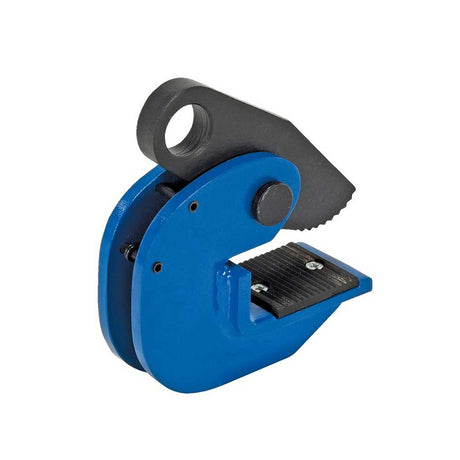
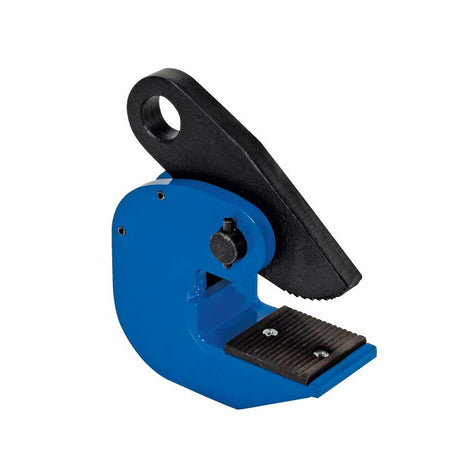
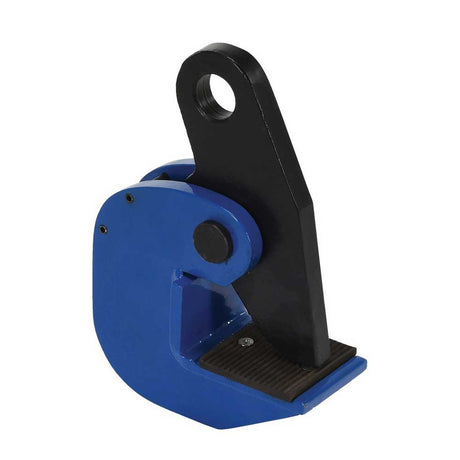
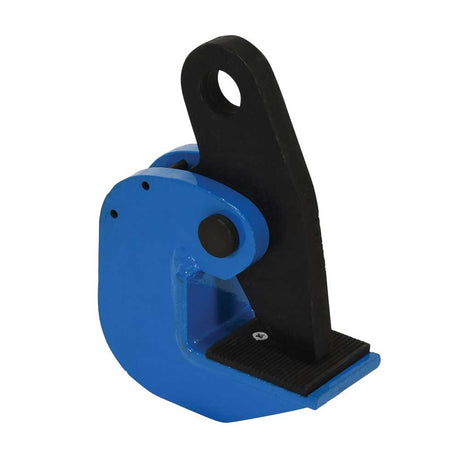
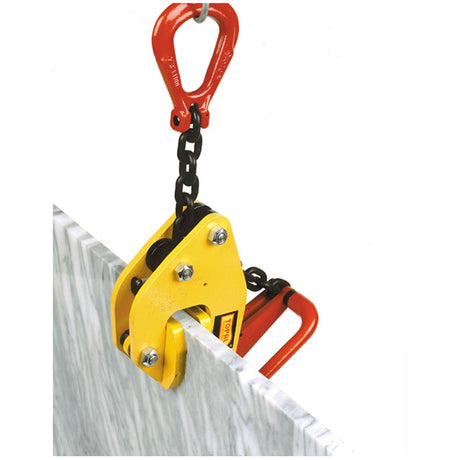
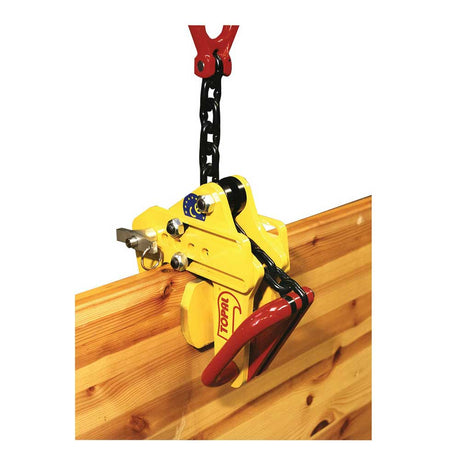
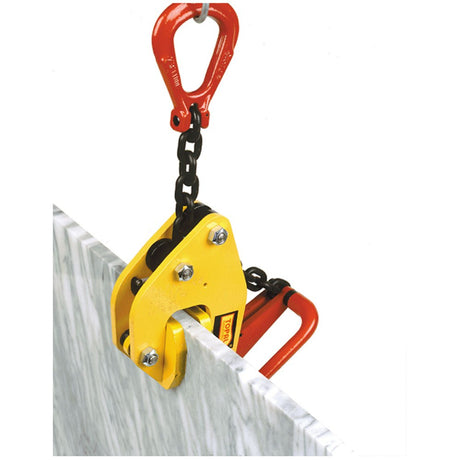
Common types include vertical plate clamps for straight lifts, horizontal plate clamps for side pulls, swivel plate clamps that allow rotation, and multi-purpose clamps designed for both vertical and horizontal lifting tasks.
How do I choose the right plate clamp for my application?
How do I choose the right plate clamp for my application?
Choose a plate clamp based on the thickness and weight of the plate you need to lift, the lift orientation (vertical, horizontal or swivel), and the capacity rating of the clamp. Always select a clamp with a rated capacity above your load weight.
Are plate lifting clamps compliant with United States safety standards?
Are plate lifting clamps compliant with United States safety standards?
Yes. Plate lifting clamps supplied for use in the United States should meet applicable OSHA workplace safety requirements and conform to relevant ASME B30 rigging standards to support safe use and inspection.
Can plate clamps be used with a chain hoist or crane?
Can plate clamps be used with a chain hoist or crane?
Yes. Plate clamps are commonly used in conjunction with cranes and hoists. Make sure the lifting clamp’s capacity aligns with the hoist and rigging components for a safe, compliant lifting setup.
Can plate clamps damage the material being lifted?
Can plate clamps damage the material being lifted?
When used properly on clean, undamaged surfaces, plate clamps grip without harming the material. Protective pads or coatings can be used on sensitive surfaces to prevent marking.
Do plate clamps need identification tags?
Do plate clamps need identification tags?
Yes. Lifting clamps should have a permanently affixed identification tag showing the manufacturer, rated capacity, valid standards, and any lift orientation limitations to support safe use and inspection.