

- From$586.00Unit price /
-
- From$929.00Unit price /
-
faqs about crane scales & load indicators
What are crane scales and how do they work?
What are crane scales and how do they work?
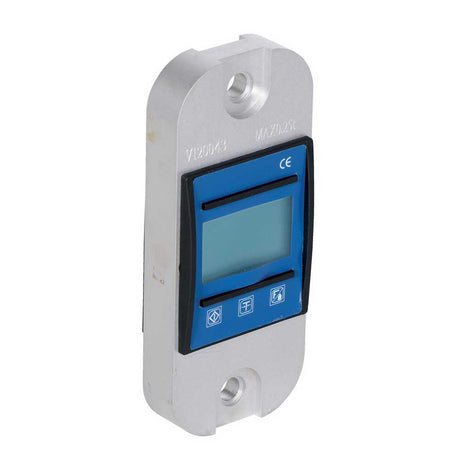
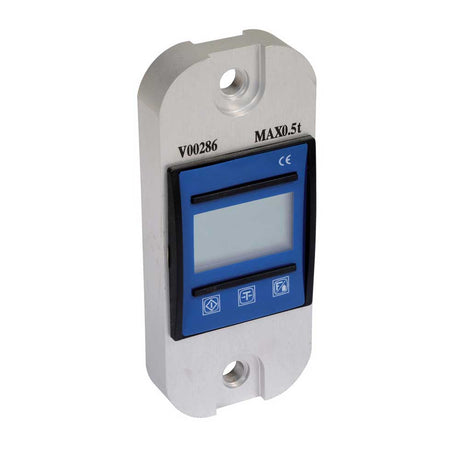
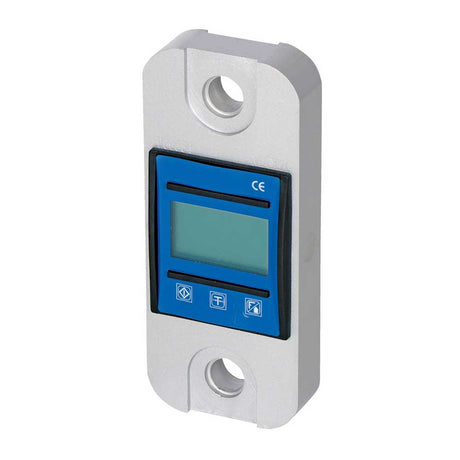
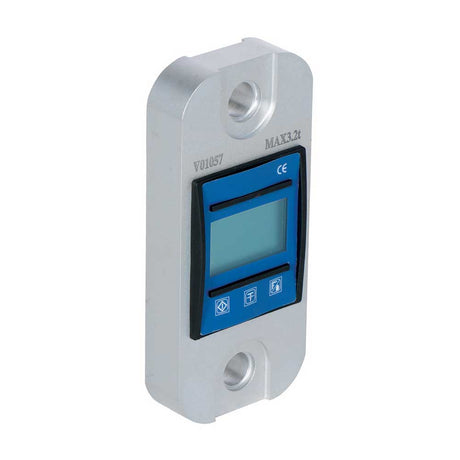
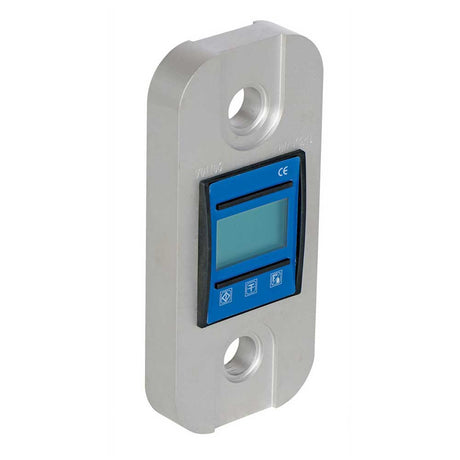
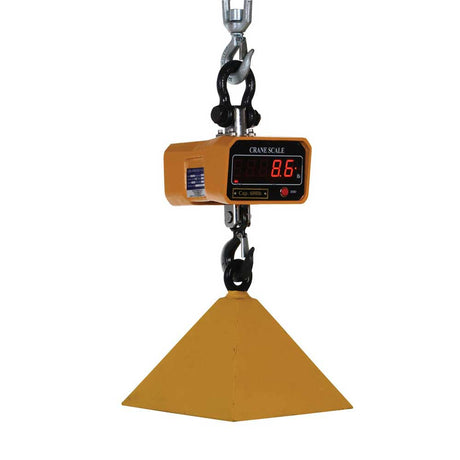
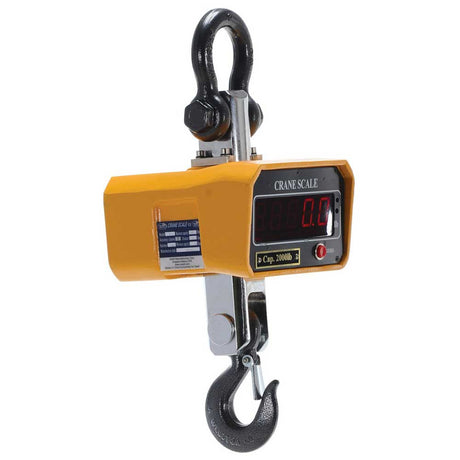
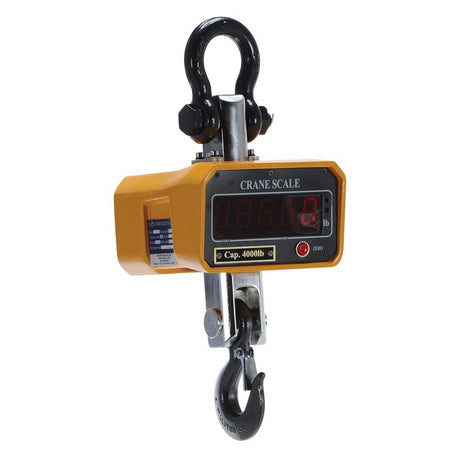
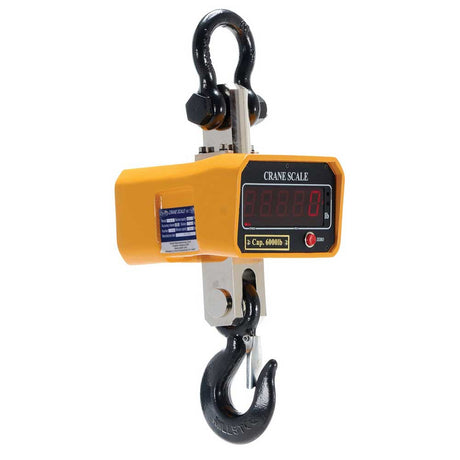
Crane scales are devices that measure the weight of a load being lifted by a crane or hoist. They attach between the lifting hook and the load, using internal sensors to provide real-time weight data that helps operators confirm safe load limits.
Are crane scales and load indicators compliant with United States safety standards?
Are crane scales and load indicators compliant with United States safety standards?
Yes. Crane scales and load indicators used in the United States should meet applicable OSHA workplace safety requirements and be installed and operated in accordance with ASME B30 standards for lifting and rigging equipment.
Can crane scales be used with any crane or hoist?
Can crane scales be used with any crane or hoist?
Most crane scales are designed to be compatible with a wide range of cranes, hoists, and lifting systems. Always verify that the scale’s load capacity and connection fit your specific equipment before installation.
Do crane scales require calibration?
Do crane scales require calibration?
Yes. Regular calibration by a qualified technician ensures accurate weight readings. Calibration intervals depend on usage frequency, environmental conditions, and manufacturer recommendations.
Can load indicators be integrated into existing lifting systems?
Can load indicators be integrated into existing lifting systems?
Many load indicators are designed to integrate with existing cranes or hoists. Integration may involve connecting sensors or displays to control systems so load data appears on operator panels.
Can crane scales measure loads in multiple units (lbs, kg)?
Can crane scales measure loads in multiple units (lbs, kg)?
Yes. Most modern crane scales offer selectable units such as pounds (lbs), kilograms (kg), or tons, allowing operators to work in preferred measurement systems.