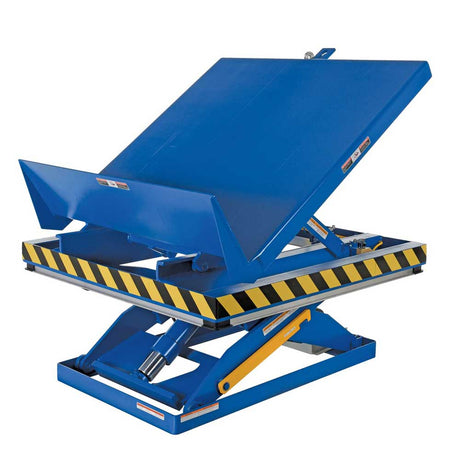
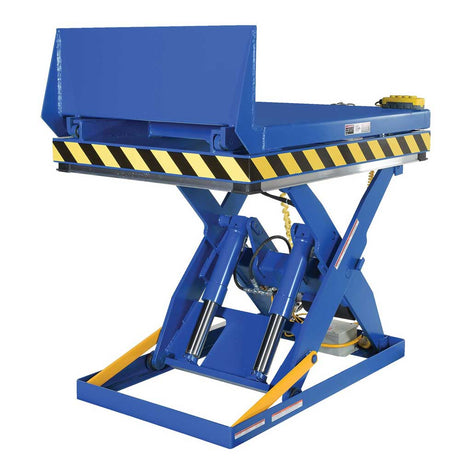
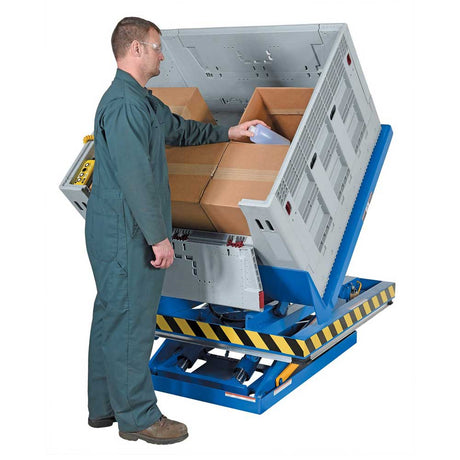
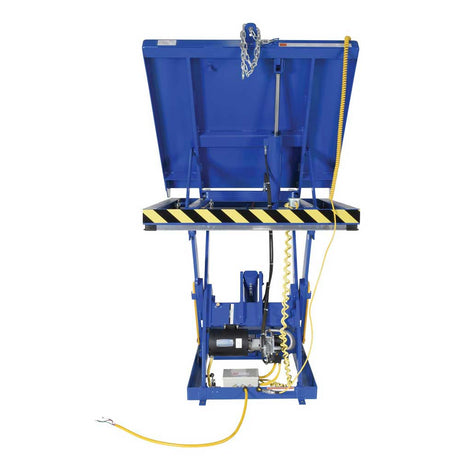
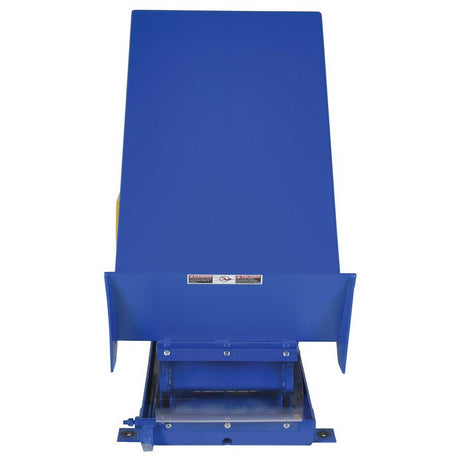
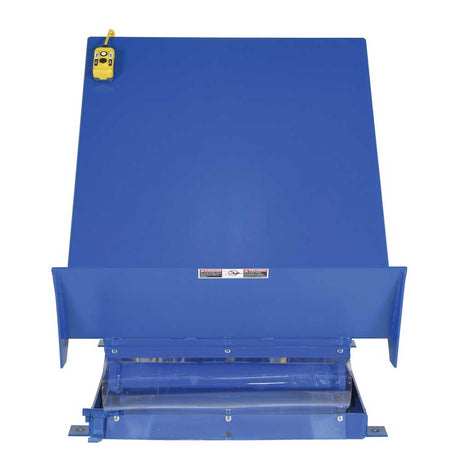
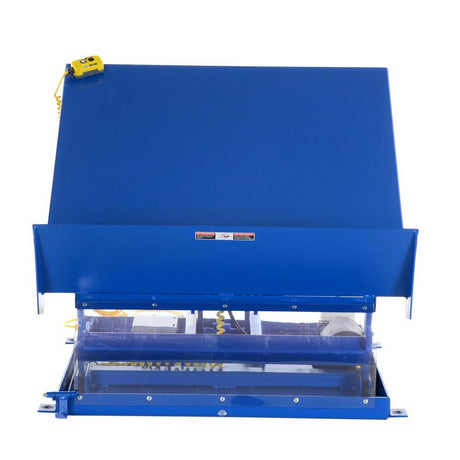
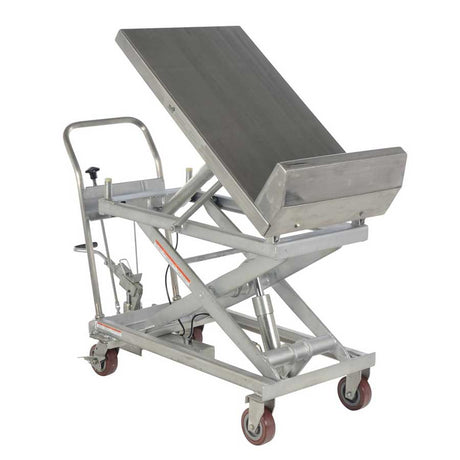
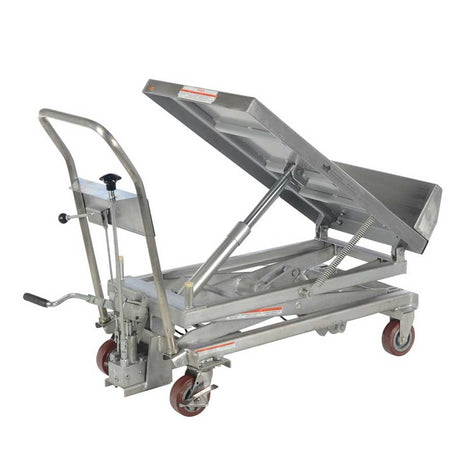
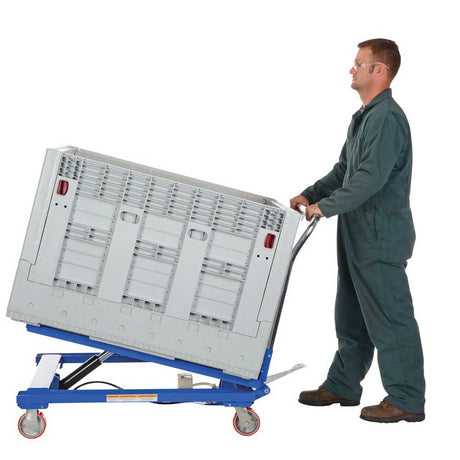
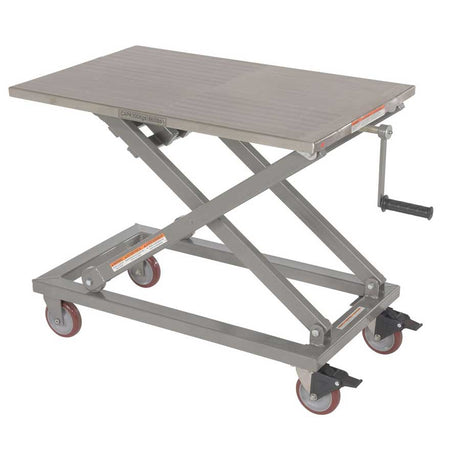
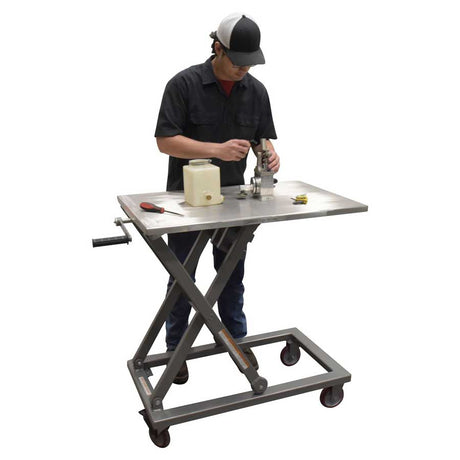
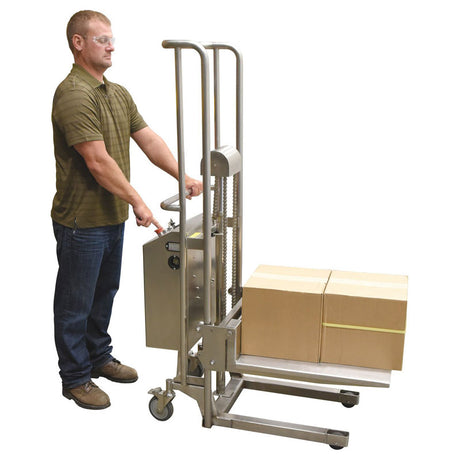
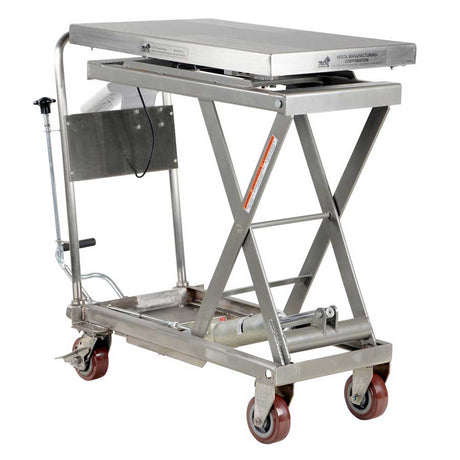
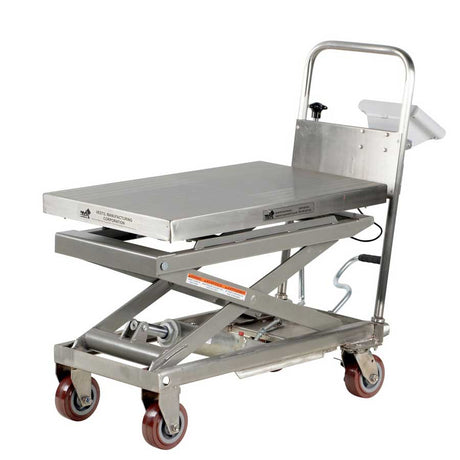
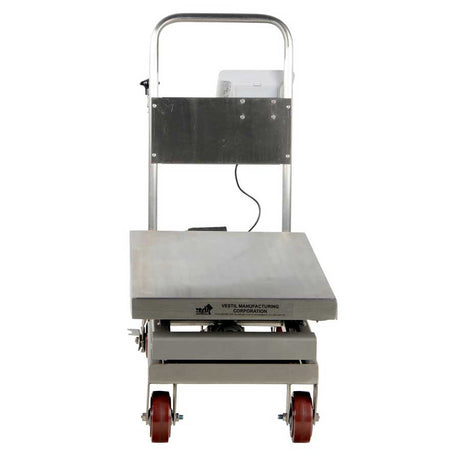
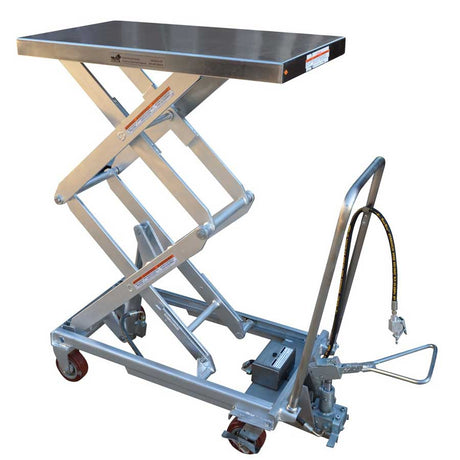
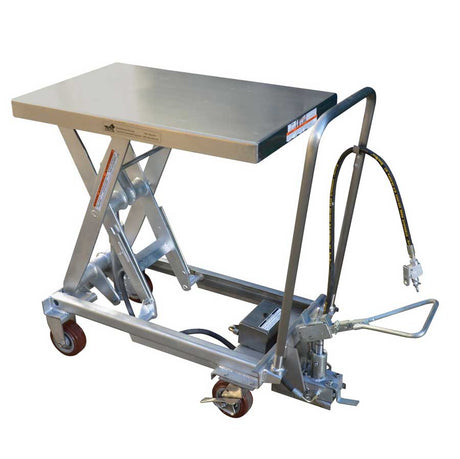
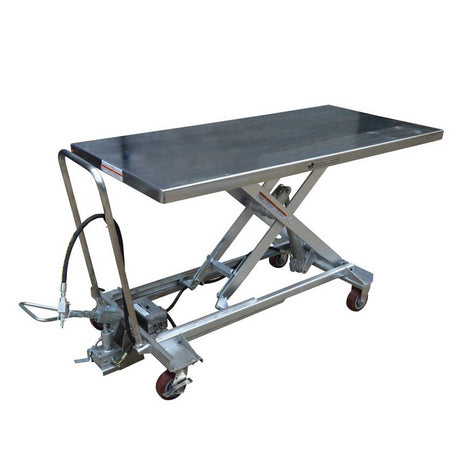
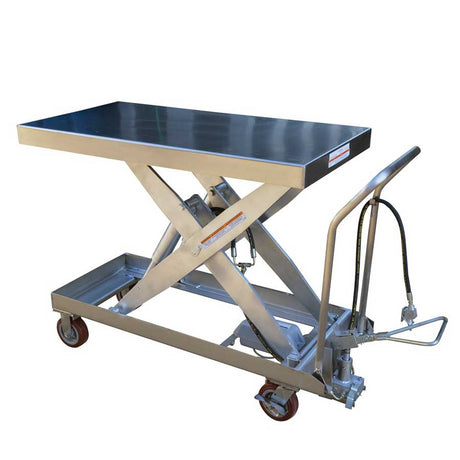
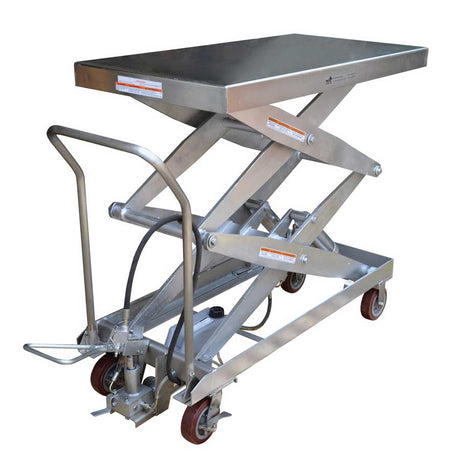
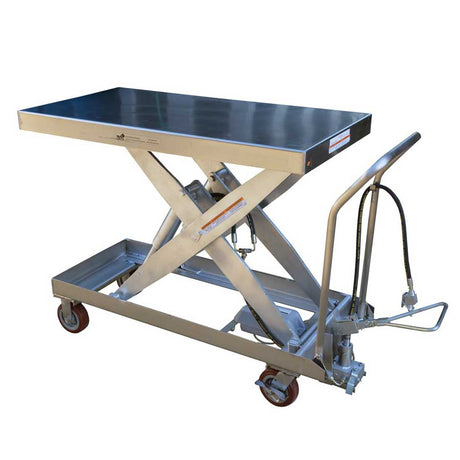
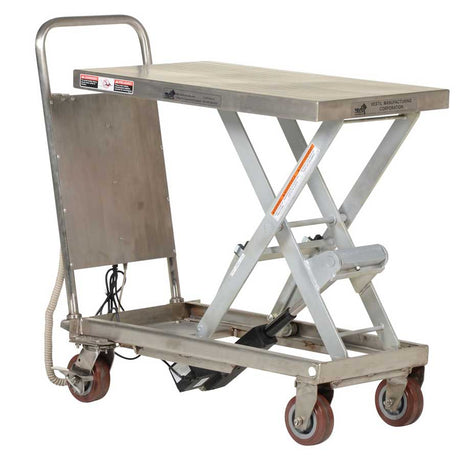
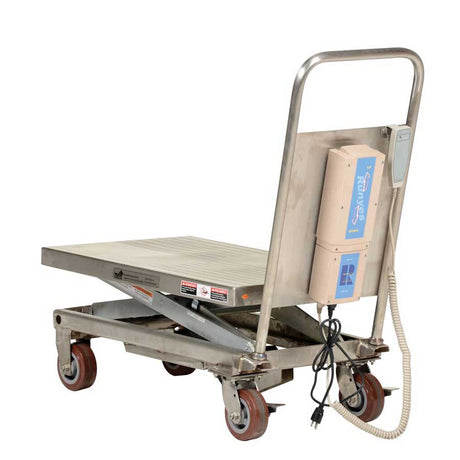
Lift and Tilt Tables are a core component of efficient material handling across the United States, providing a safer way to raise, angle, and position loads for handling, assembly, and transfer. Designed to reduce manual effort and improve access, tilt tables allow operators to work at a controlled height and angle rather than bending or repositioning heavy items by hand. Within the wider Material Handling Equipment category, lift and tilt tables are relied upon in manufacturing, distribution, maintenance, and packaging operations where consistent positioning and ergonomics matter. Available in a wide range of capacities, platform sizes, and lift heights, these systems handle everything from small containers to heavy pallets. Many models feature reinforced steel platforms, smooth hydraulic lifting, and controlled tilting to ensure predictable movement under load. For environments requiring corrosion resistance or wash down capability, stainless steel hydraulic tilt tables are commonly specified, supporting hygienic handling while maintaining lifting strength.
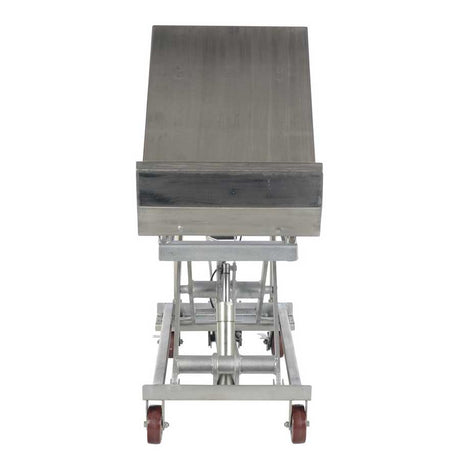
A Hydraulic Tilt Table combines vertical lifting with forward or rearward tilting, allowing loads to be presented at a usable angle for loading, unloading, or inspection. This dual function improves productivity while reducing physical strain on operators. Manual, electric, and DC powered tilt tables are available to suit different duty cycles, while low profile designs allow pallet truck loading without pits or ramps. Electric lift and tilt tables are especially effective for repetitive tasks, offering push button control and consistent positioning for production workflows. Mobile scissor cart variations add flexibility by allowing a tilt table to be shared between work areas. Across all configurations, tilt tables provide controlled lifting and angling that improves safety, speeds up handling, and supports long term efficiency in U.S. facilities.
- Featured
- Best selling
- Alphabetically, A-Z
- Alphabetically, Z-A
- Price, low to high
- Price, high to low
- Date, old to new
- Date, new to old
FiltersFilter & Sort
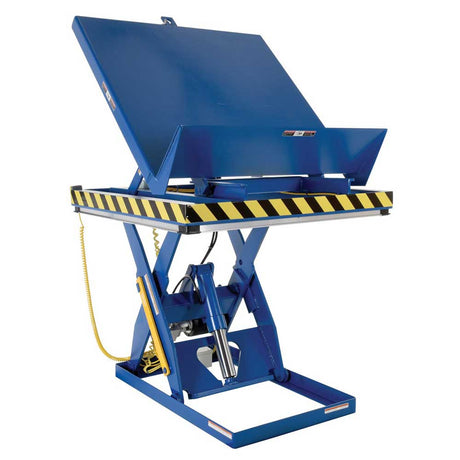
Vestil Lift & Tilt Scissor Table
From$8,420.00Unit price /UnavailableVestil Single Scissor Lift & Tilt Table
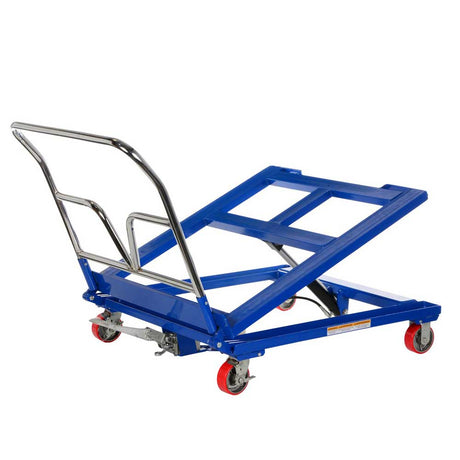
From$4,093.00Unit price /UnavailableVestil Lift & Tilt Cart with Sequence Select (Partially Stainless Steel)
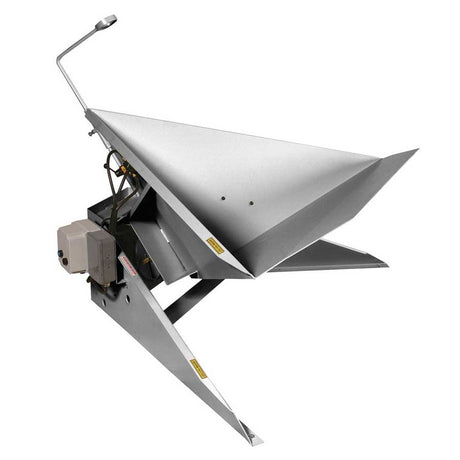
$3,823.00Unit price /UnavailableVestil Stainless Steel Air Corner Tilter
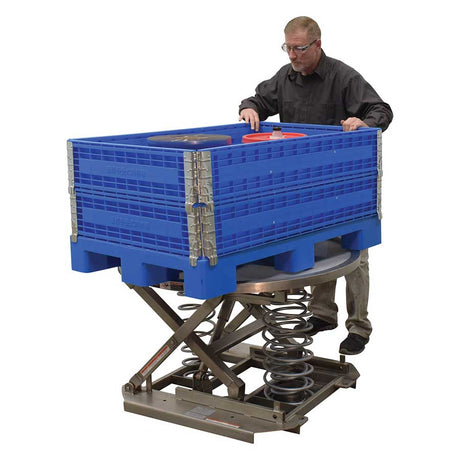
$9,683.00Unit price /UnavailableVestil Spring Scissor Table (Partially Stainless Steel)
From$9,269.00Unit price /UnavailableVestil Economy Transporter / Tilter
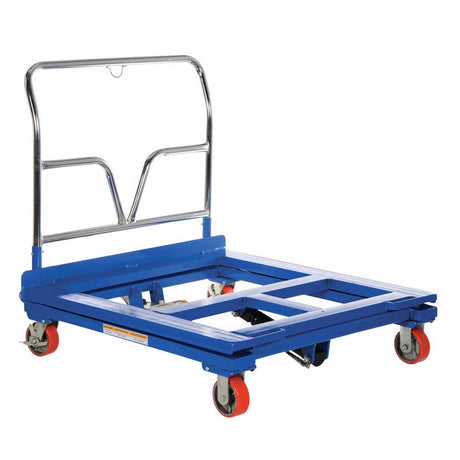
$1,927.00Unit price /UnavailableVestil Mechanical Scissor Cart (Partially Stainless Steel)
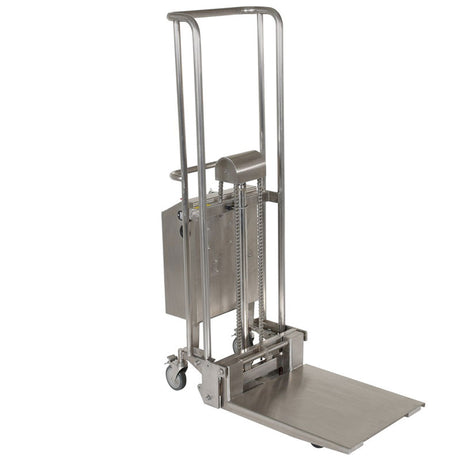
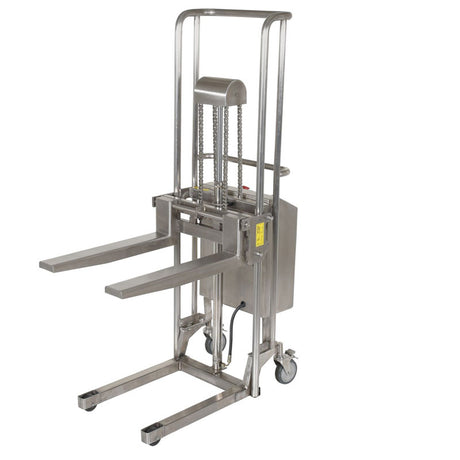
$1,652.00Unit price /UnavailableVestil Stainless Steel DC Powered Hefti-Lift
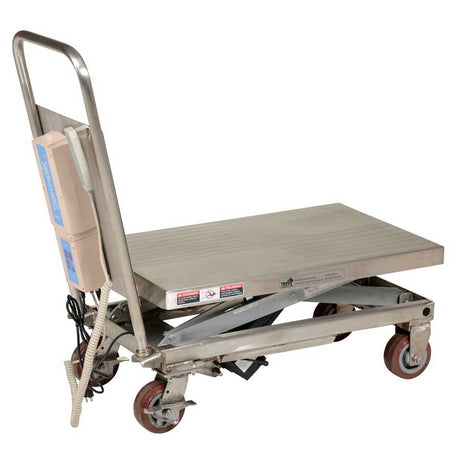
$9,459.00Unit price /UnavailableVestil Scissor Cart with Built-In Scale (Partially Stainless Steel)
$3,815.00Unit price /UnavailableVestil Air Hydraulic Carts (Partially Stainless Steel)
From$2,883.00Unit price /UnavailableVestil Linear Actuated Elevating Cart (Partially Stainless Steel)
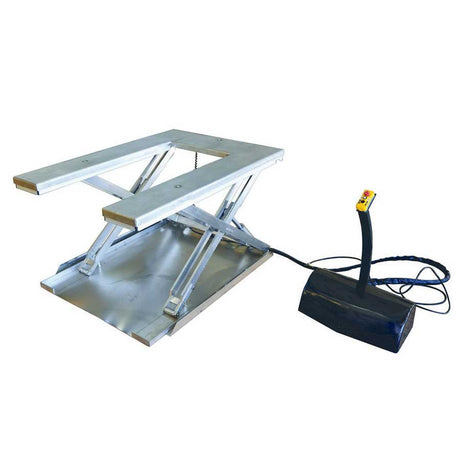
$2,713.00Unit price /UnavailableVestil Stainless Steel Low Profile Electric Lift Table
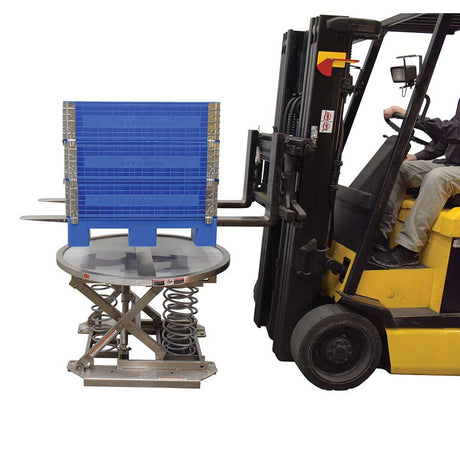
$13,555.00Unit price /UnavailableVestil Stainless Steel Thin Spins - Pallet Truck Loadable Carousel
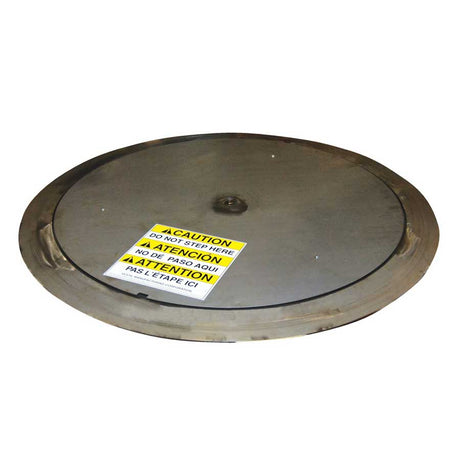
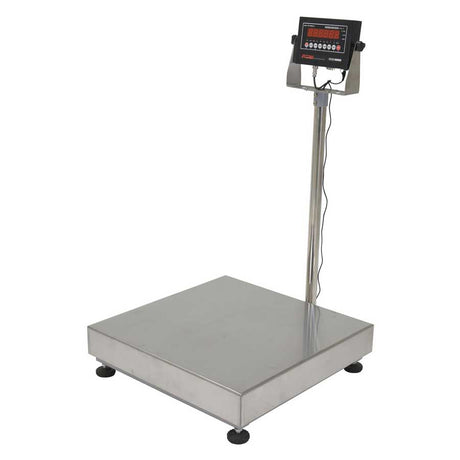
From$5,018.00Unit price /UnavailableVestil NTEP Bench Scales (Partially Stainless Steel)
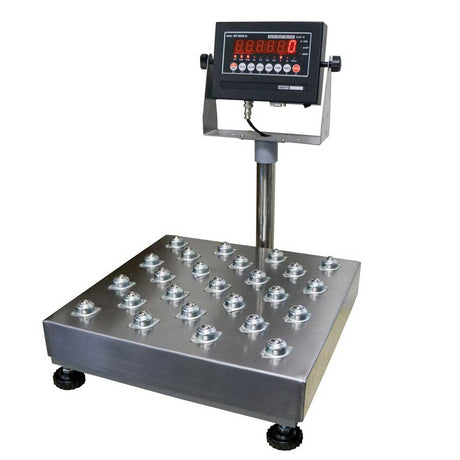
From$558.00Unit price /UnavailableVestil NTEP Portable Bench Scales (Partially Stainless Steel)
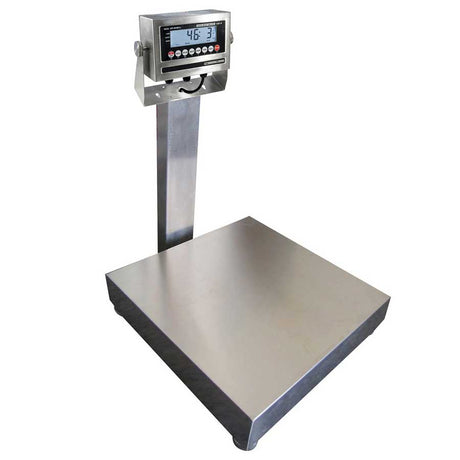
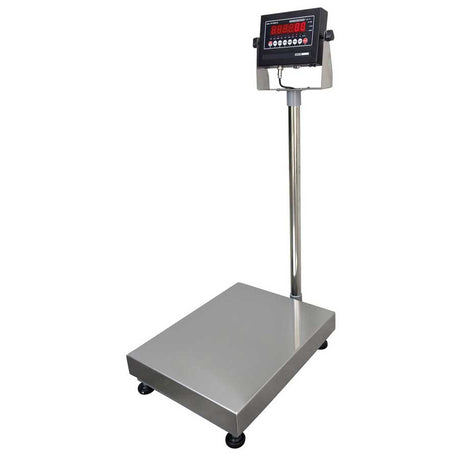
From$1,289.00Unit price /UnavailableVestil NTEP Stainless Steel Bench Scales
From$980.00Unit price /Unavailable
Lift & Tilt Tables for Controlled Load Positioning
Lift and tilt tables are engineered to solve a common handling challenge: safely presenting heavy or awkward loads at an optimal working position. By integrating lifting and tilting into one unit, tilt tables eliminate the need for secondary handling equipment and reduce manual repositioning. These systems are widely used for bin tipping, component assembly, parts kitting, and order fulfillment where frequent access to container contents is required. The tilting function improves visibility and reach, while the lifting action raises the load to a comfortable working height. Most hydraulic tilt table designs include adjustable tilt angles, load holding valves, and controlled descent to maintain stability throughout the movement cycle. Reinforced platforms and anti slip surfaces further support safe handling when loads are tilted forward for access.
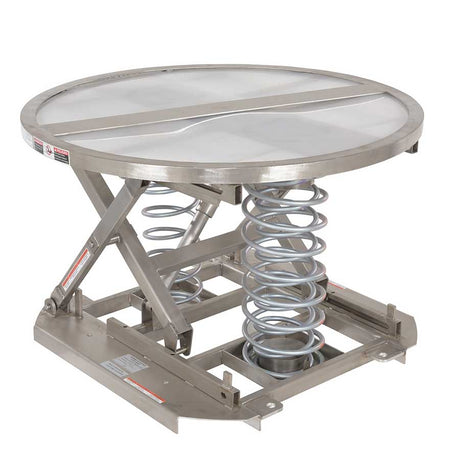
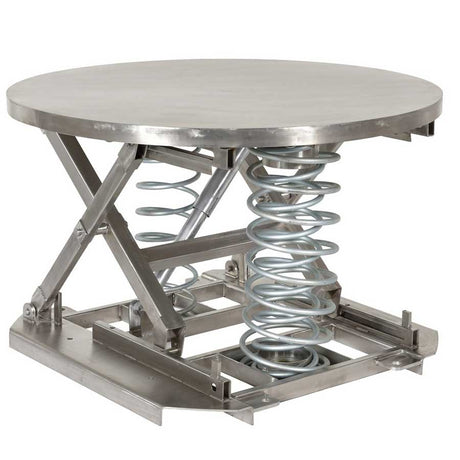
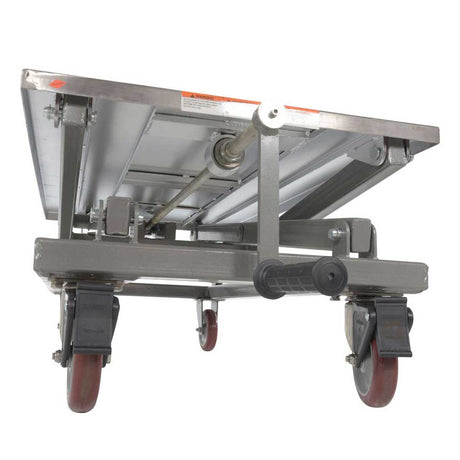
A broad range of lift and tilt table configurations allows operations to match equipment precisely to application demands. Electric tilt tables support high frequency use where speed and repeatability are critical, while DC powered units provide flexibility in areas without fixed power. Low profile hydraulic tilt tables integrate easily into existing layouts, and mobile scissor carts allow a single table to serve multiple stations. Rotary and specialty tilt tables support controlled turning and positioning of loads that require precise handling. Built around durable hydraulic systems and rigid scissor mechanisms, these tables are designed for long service life under daily use. When selected correctly, lift and tilt tables improve workflow efficiency, support ergonomic best practices, and reduce the hidden costs associated with manual handling injuries making them a smart, long-term investment for U.S. operations.
Lift and Tilt Tables are a core component of efficient material handling across the United States, providing a safer way to raise, angle, and position loads for handling, assembly, and transfer. Designed to reduce manual effort and improve access, tilt tables allow operators to work at a controlled height and angle rather than bending or repositioning heavy items by hand. Within the wider Material Handling Equipment category, lift and tilt tables are relied upon in manufacturing, distribution, maintenance, and packaging operations where consistent positioning and ergonomics matter. Available in a wide range of capacities, platform sizes, and lift heights, these systems handle everything from small containers to heavy pallets. Many models feature reinforced steel platforms, smooth hydraulic lifting, and controlled tilting to ensure predictable movement under load. For environments requiring corrosion resistance or wash down capability, stainless steel hydraulic tilt tables are commonly specified, supporting hygienic handling while maintaining lifting strength.
A Hydraulic Tilt Table combines vertical lifting with forward or rearward tilting, allowing loads to be presented at a usable angle for loading, unloading, or inspection. This dual function improves productivity while reducing physical strain on operators. Manual, electric, and DC powered tilt tables are available to suit different duty cycles, while low profile designs allow pallet truck loading without pits or ramps. Electric lift and tilt tables are especially effective for repetitive tasks, offering push button control and consistent positioning for production workflows. Mobile scissor cart variations add flexibility by allowing a tilt table to be shared between work areas. Across all configurations, tilt tables provide controlled lifting and angling that improves safety, speeds up handling, and supports long term efficiency in U.S. facilities.
Lift & Tilt Tables for Controlled Load Positioning
Lift and tilt tables are engineered to solve a common handling challenge: safely presenting heavy or awkward loads at an optimal working position. By integrating lifting and tilting into one unit, tilt tables eliminate the need for secondary handling equipment and reduce manual repositioning. These systems are widely used for bin tipping, component assembly, parts kitting, and order fulfillment where frequent access to container contents is required. The tilting function improves visibility and reach, while the lifting action raises the load to a comfortable working height. Most hydraulic tilt table designs include adjustable tilt angles, load holding valves, and controlled descent to maintain stability throughout the movement cycle. Reinforced platforms and anti slip surfaces further support safe handling when loads are tilted forward for access.
A broad range of lift and tilt table configurations allows operations to match equipment precisely to application demands. Electric tilt tables support high frequency use where speed and repeatability are critical, while DC powered units provide flexibility in areas without fixed power. Low profile hydraulic tilt tables integrate easily into existing layouts, and mobile scissor carts allow a single table to serve multiple stations. Rotary and specialty tilt tables support controlled turning and positioning of loads that require precise handling. Built around durable hydraulic systems and rigid scissor mechanisms, these tables are designed for long service life under daily use. When selected correctly, lift and tilt tables improve workflow efficiency, support ergonomic best practices, and reduce the hidden costs associated with manual handling injuries making them a smart, long-term investment for U.S. operations.